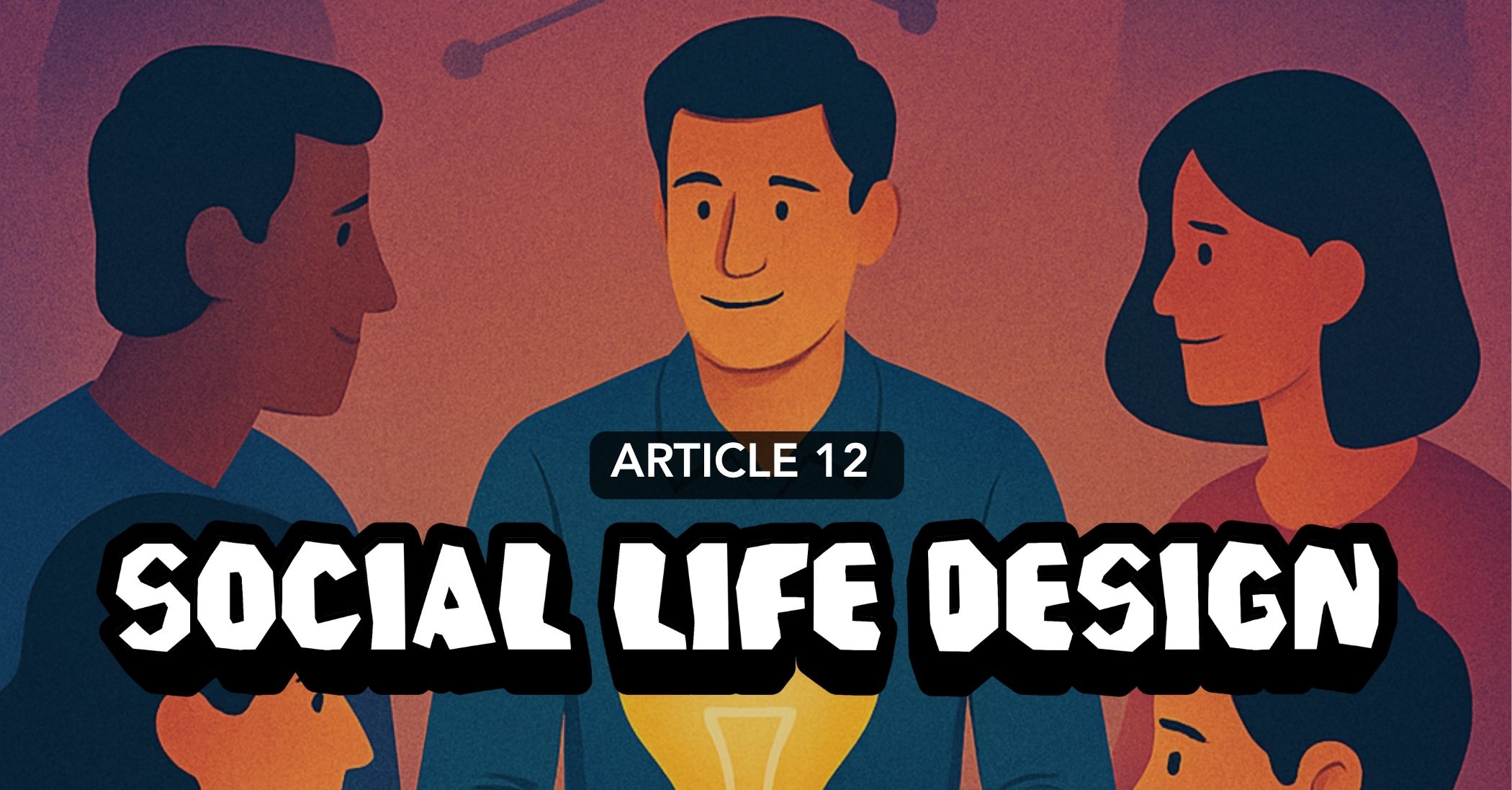
The Collaborative Intelligence Revolution

Why Life Design Must Be Social

Why Life Design Must Be Social


Robert Kenfield | 7 mins read | December 30, 2025
The future isn't individual optimization, it's collective wisdom and distributed innovation

The future isn't individual optimization, it's collective wisdom and distributed innovation

The future isn't individual optimization, it's collective wisdom and distributed innovation

Here's the final piece of the life design revolution, the one that transforms everything we've explored from personal practice into collective movement.


All the innovations we've discussed, visual thinking, temporal sovereignty, integrated architecture, could theoretically exist as better individual tools.


Sophisticated personal systems that help you design your life more effectively than current productivity apps.


But that would miss the most important insight: meaningful life design doesn't happen in isolation.


The morning routine that changed your life? You probably learned it from someone else. The work pattern that improved your focus? Someone shared that approach. The relationship practice that deepened connection? You discovered it through conversation or example.


We design our lives in relationship with others, learning from their experiences, sharing our discoveries, adapting successful patterns, collaborating on improvement.


Yet every productivity tool treats planning as isolated individual optimization. Your calendar is yours alone. Your task list is private. Your notes are siloed.


This isolation isn't neutral, it actively prevents the collaborative wisdom that makes life design actually work.

Here's the final piece of the life design revolution, the one that transforms everything we've explored from personal practice into collective movement.


All the innovations we've discussed, visual thinking, temporal sovereignty, integrated architecture, could theoretically exist as better individual tools.


Sophisticated personal systems that help you design your life more effectively than current productivity apps.


But that would miss the most important insight: meaningful life design doesn't happen in isolation.


The morning routine that changed your life? You probably learned it from someone else. The work pattern that improved your focus? Someone shared that approach. The relationship practice that deepened connection? You discovered it through conversation or example.


We design our lives in relationship with others, learning from their experiences, sharing our discoveries, adapting successful patterns, collaborating on improvement.


Yet every productivity tool treats planning as isolated individual optimization. Your calendar is yours alone. Your task list is private. Your notes are siloed.


This isolation isn't neutral, it actively prevents the collaborative wisdom that makes life design actually work.

Why Stanford Says Life Design Requires Community

Why Stanford Says Life Design Requires Community

Why Stanford Says Life Design Requires Community

The Stanford Life Design Lab's research revealed something that contradicts productivity culture's individualism: people who approach their lives with design thinking principles report higher life satisfaction, but only when they engage in what the researchers call "radical collaboration."


This isn't casual social interaction. It's the recognition that:

  • You can't design your life in a vacuum because your life is inherently social

  • The patterns that work for you often emerged from others' experiments

  • Your discoveries can help others who face similar challenges

  • Iteration and improvement happen faster through shared learning

  • Meaning itself emerges through connection and mutual support


The Stanford team found that isolated individuals using design thinking principles showed modest improvements. But people engaged in collaborative design practice, sharing approaches, giving feedback, adapting each other's methods, showed dramatically better outcomes across wellbeing measures.


The difference wasn't just magnitude, it was qualitative. Collaborative practitioners reported that the process itself became meaningful, not just the outcomes.
Collective Intelligence Outperforms Individual Expertise

Collective Intelligence Outperforms Individual Expertise

Collective Intelligence Outperforms Individual Expertise

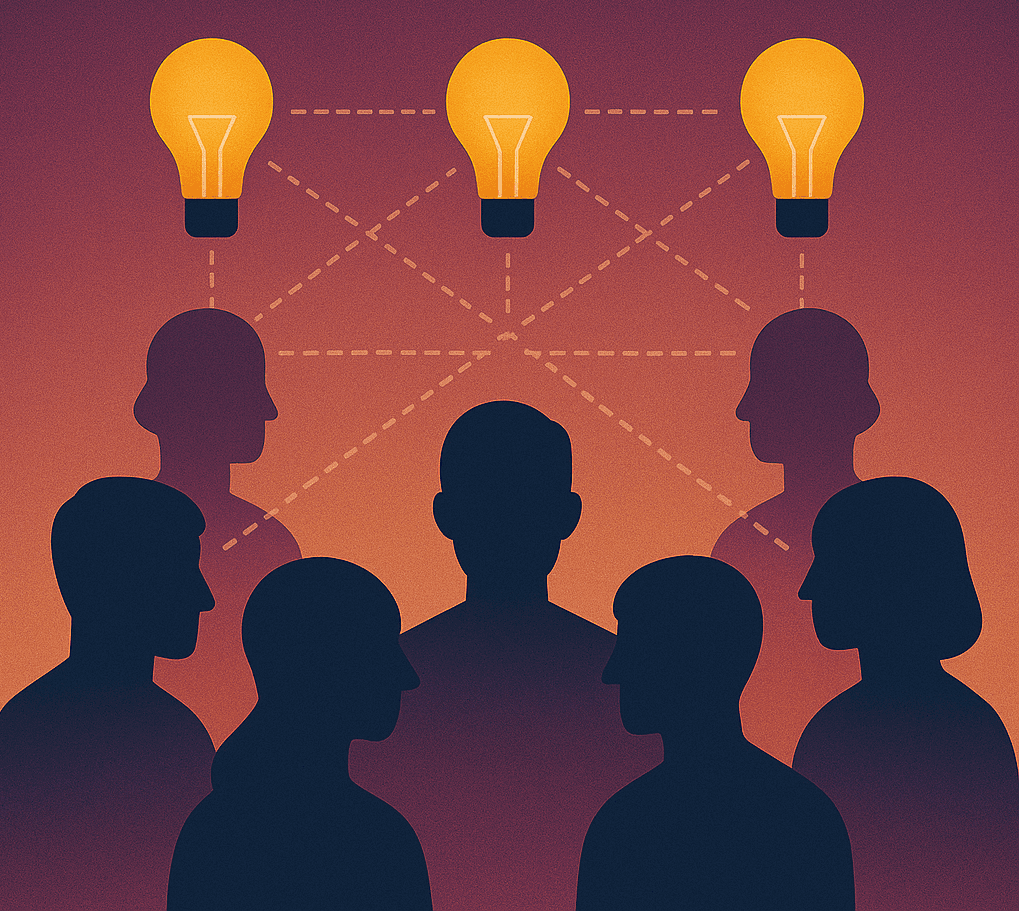
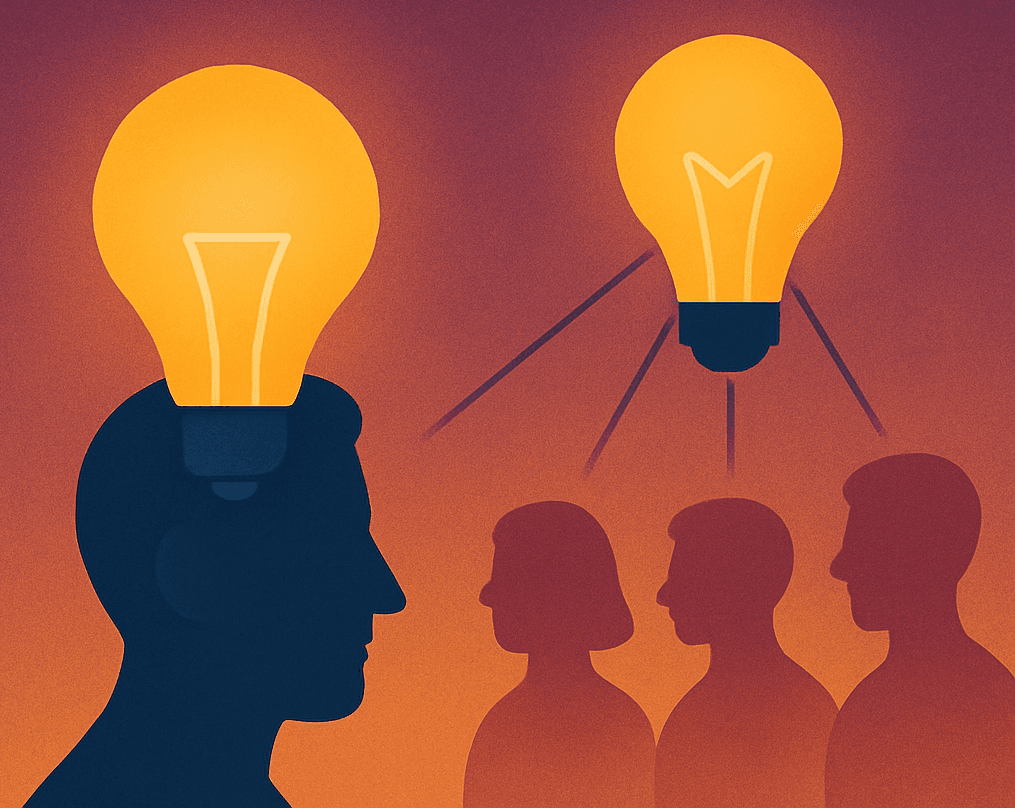
Research from MIT's Center for Collective Intelligence demonstrates that groups can solve complex problems better than even the smartest individuals, but only under specific conditions.


Anita Woolley and Thomas Malone's studies, published in Science, identified what creates "collective intelligence": groups that perform consistently well across different types of problems share certain characteristics:


Equal participation: No single voice dominates


Social sensitivity: Members are attuned to each other's responses


Diversity of perspective: Different viewpoints and approaches represented


Shared purpose: Clear common goals with individual autonomy


Life design, with its complexity, contextual variation, and personal meaning, is exactly the kind of problem where collective intelligence outperforms individual expertise.


No single "productivity expert" can prescribe what will work for your specific combination of chronotype, work demands, relationship responsibilities, health needs, and life stage. But a community of people experimenting with different approaches and sharing what works can generate insights that benefit everyone.
From Content Consumption to Practice Adoption

From Content Consumption to Practice Adoption

From Content Consumption to Practice Adoption

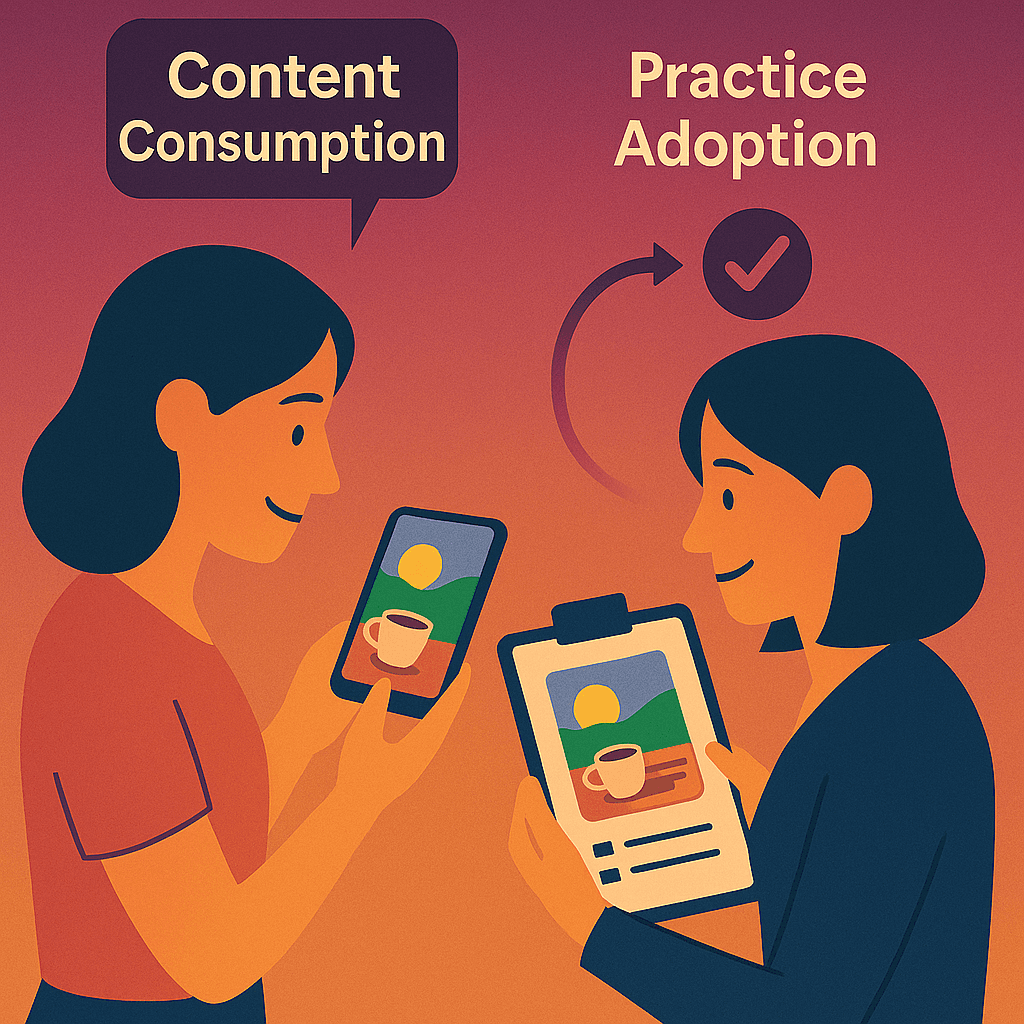
Social media has trained us to think of "sharing" as posting content for consumption: photos of our vacation, thoughts about our day, links to articles.

But life design requires something different: sharing practices for adoption and adaptation.


The difference is profound:

Content consumption is passive. You read about someone's morning routine and think "that's nice" or "I should try that someday." Maybe you feel inspired. But inspiration alone rarely changes behavior.


Practice adoption is active. Someone shares their morning routine in a format you can actually implement, complete with timing, visual representation, practical details, and context about why it works for them. You adopt it, adapt it to your situation, use it, improve it, and potentially share your version with others.


This is what technologists call "actionable knowledge", not information about what people do, but structured practices others can actually use.


Current social platforms don't support this. Instagram shows you someone's beautiful morning but doesn't give you a way to adopt and adapt their practice. LinkedIn shares productivity advice but provides no mechanism for collaborative improvement of actual routines.


The $250 billion creator economy reflects demand for actionable wisdom, but most creators are stuck offering inspiration and advice because platforms don't support practice sharing.
The Four Social Mechanics

The Four Social Mechanics

The Four Social Mechanics

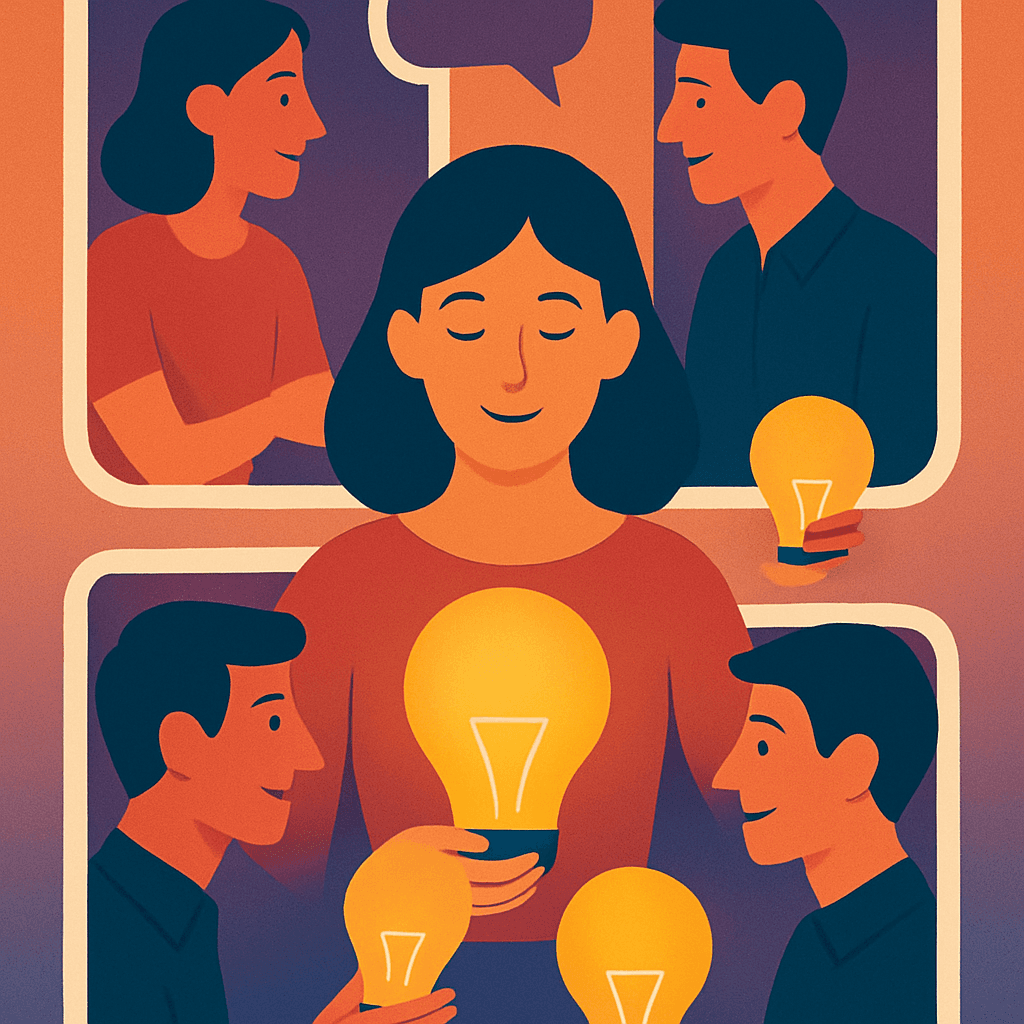
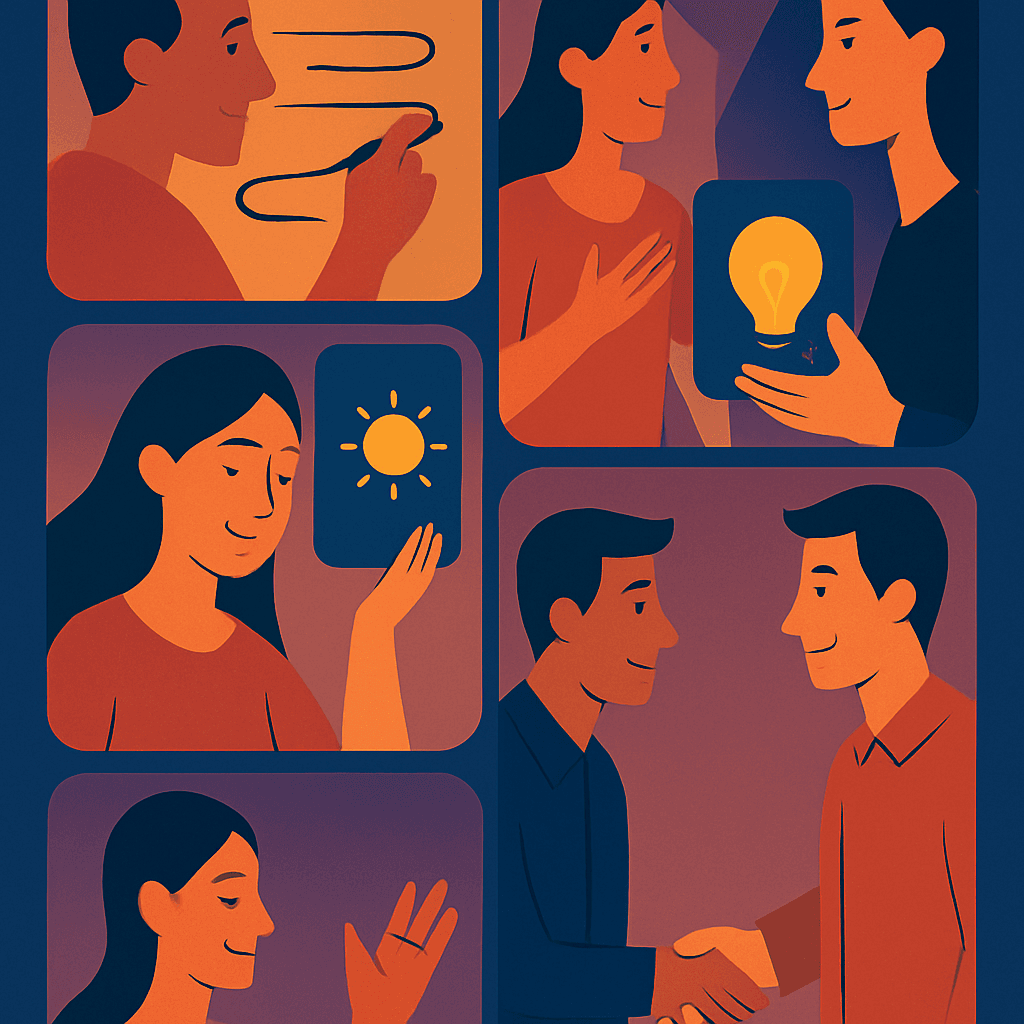
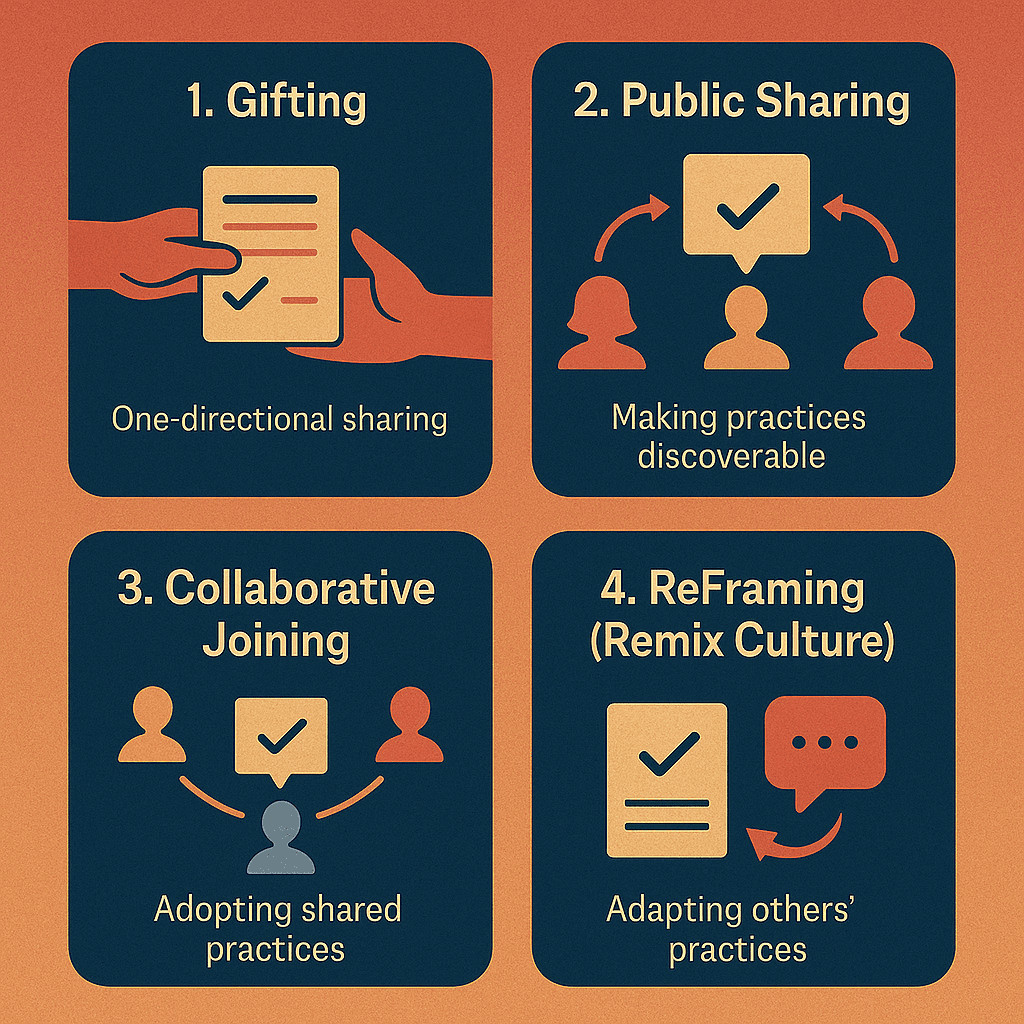
To enable collaborative life design, tools need four distinct social capabilities that current productivity apps don't provide:


1. Gifting


One-directional sharing where you give someone a practice without requiring ongoing involvement.


A wellness coach creates a "morning energy routine" and gifts it to clients. They can adopt it, adapt it, or ignore it, no strings attached. The coach maintains attribution but transfers ownership completely.


This enables generous knowledge sharing without creating management overhead. You can help people without becoming responsible for their implementation.


2. Public Sharing


Making practices discoverable by communities or the public, transforming individual innovations into community resources.


Your "focus work protocol" goes on your public wall where others interested in deep work can find it. They adopt, adapt, provide feedback. You benefit from their improvements. Everyone gets better together.


This creates organic discovery rather than algorithmic filtering. People find practices through community exploration rather than engagement optimization.


3. Collaborative Joining


Multiple people adopting the same practice for shared experiences, with each person's context and preferences respected.


A family joins the "Sunday morning together" practice. Each member's version reflects their role and preferences, but everyone's participating in the shared ritual. Teams join collaborative practices while maintaining individual agency.


This enables coordination without coercion, shared intention with respect for individual variation.


4. ReFraming (Remix Culture)


Adapting others' practices while maintaining attribution to original creators, creating lineages of collaborative improvement.


You discover a meditation practice that mostly works for you. You modify the timing, adjust the approach, add elements that serve your needs. You share your version, clearly attributing the original creator. Others might adapt your adaptation.


This creates what technologists call "cumulative innovation", improvements building on previous work, benefiting both original creators and adapters.

To enable collaborative life design, tools need four distinct social capabilities that current productivity apps don't provide:


1. Gifting


One-directional sharing where you give someone a practice without requiring ongoing involvement.


A wellness coach creates a "morning energy routine" and gifts it to clients. They can adopt it, adapt it, or ignore it, no strings attached. The coach maintains attribution but transfers ownership completely.


This enables generous knowledge sharing without creating management overhead. You can help people without becoming responsible for their implementation.


2. Public Sharing


Making practices discoverable by communities or the public, transforming individual innovations into community resources.


Your "focus work protocol" goes on your public wall where others interested in deep work can find it. They adopt, adapt, provide feedback. You benefit from their improvements. Everyone gets better together.


This creates organic discovery rather than algorithmic filtering. People find practices through community exploration rather than engagement optimization.


3. Collaborative Joining


Multiple people adopting the same practice for shared experiences, with each person's context and preferences respected.


A family joins the "Sunday morning together" practice. Each member's version reflects their role and preferences, but everyone's participating in the shared ritual. Teams join collaborative practices while maintaining individual agency.


This enables coordination without coercion, shared intention with respect for individual variation.


4. ReFraming (Remix Culture)


Adapting others' practices while maintaining attribution to original creators, creating lineages of collaborative improvement.


You discover a meditation practice that mostly works for you. You modify the timing, adjust the approach, add elements that serve your needs. You share your version, clearly attributing the original creator. Others might adapt your adaptation.


This creates what technologists call "cumulative innovation", improvements building on previous work, benefiting both original creators and adapters.

The Marketplace of Practices

The Marketplace of Practices

The Marketplace of Practices

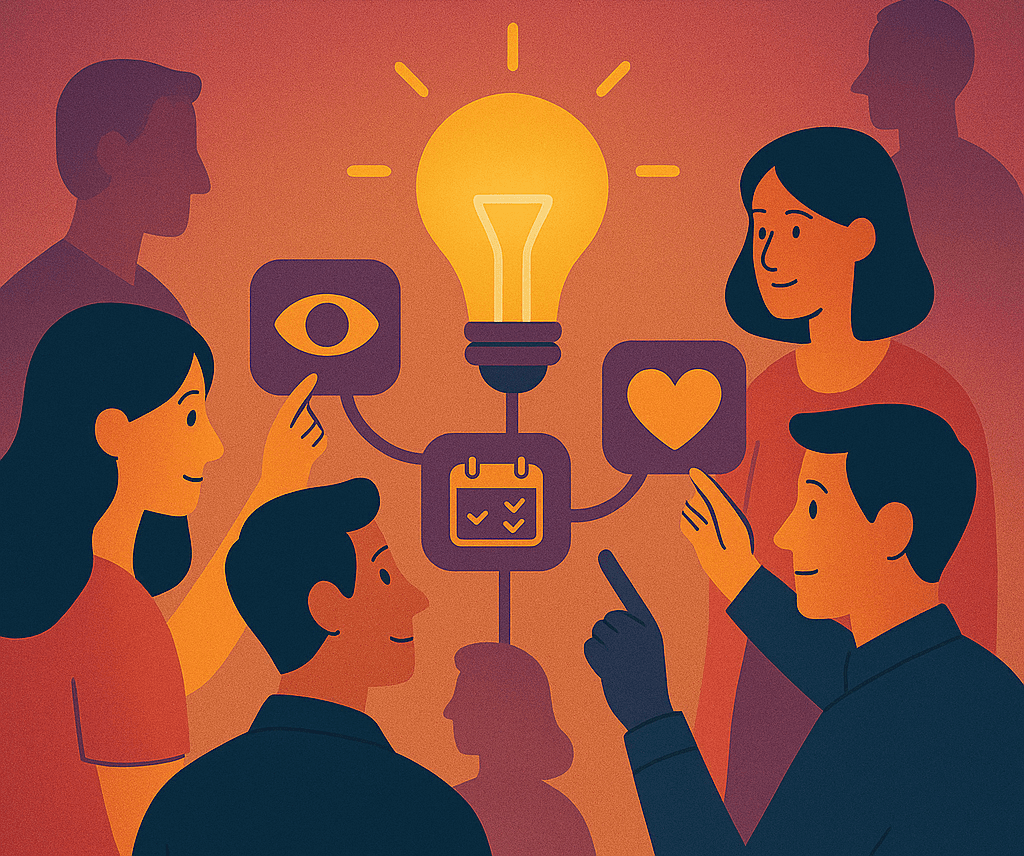
These social mechanics naturally evolve into what we might call a "marketplace of practices", not primarily commercial, but a collaborative ecosystem where effective approaches to living can be shared, tested, improved, and distributed at scale.


This differs fundamentally from traditional content platforms:

Practice vs. Information: Instead of consuming content about life design, people adopt actual practices that integrate directly into daily experience.


Evolution vs. Consumption: Practices improve through community use and adaptation rather than remaining static content created by individual experts.


Attribution vs. Ownership: Creators receive credit and can benefit from practice success while encouraging adaptation and improvement by others.


Community vs. Individual: The most effective practices often emerge through community collaboration rather than individual expertise.


Research in open-source software development shows that distributed collaboration consistently produces better outcomes than isolated development, when the right social architecture supports it.


Life design practices can follow the same model: shared, adapted, improved through collective intelligence rather than prescribed by isolated experts.
The Creator Economy Evolution

The Creator Economy Evolution

The Creator Economy Evolution

The creator economy is stuck in an unsustainable model: constant content production to maintain audience attention, with monetization through advertising, sponsorships, or one-time course sales.


This creates what researcher Brooke Erin Duffy calls "aspirational labor", work that feels precarious and demanding while promising fulfillment and independence.


Life design practices offer creators a different model:


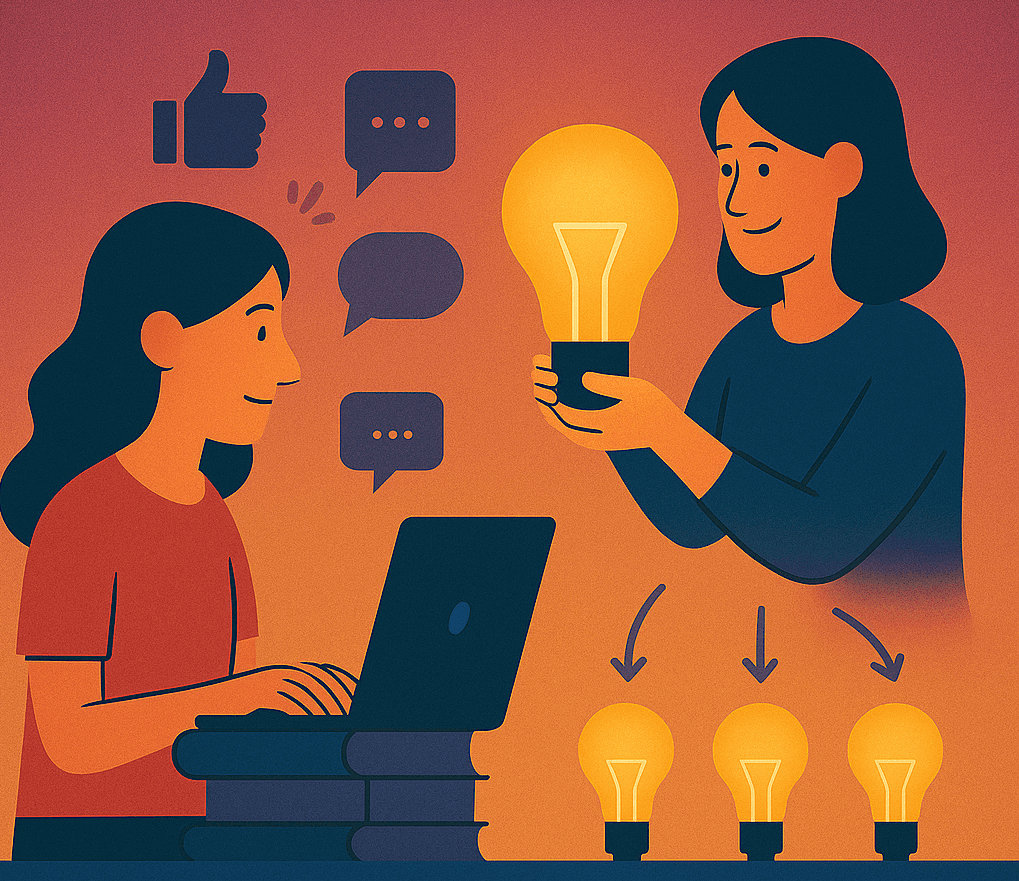
Sustainable Value Creation: Rather than constantly producing new content, creators develop practices that continue providing value as they're adopted and adapted by communities.


Recurring Relationships: Instead of one-time course sales, creators build ongoing relationships with communities using and improving their practices.


Collaborative Revenue: When practices are adapted and improved, revenue can be shared across the innovation chain, original creator, significant adapters, community contributors.


Reputation Through Impact: Creator success measures real impact, how many people's lives improved, rather than engagement metrics that optimize for attention over utility.


A wellness coach creates a morning routine practice used by 10,000 people, with 1,000 adaptations improving it for specific contexts. The coach earns ongoing attribution, potential revenue sharing, and reputation built on genuine impact.


This is more sustainable than requiring constant content production while providing more value to communities than consumption-based models.

The productivity paradox has reached a critical point where fragmentation's cost has become unsustainable.


The World Health Organization now recognizes that mental health is not merely the absence of illness but the presence of positive characteristics like life satisfaction, optimism, and sense of purpose—qualities emerging from how people structure daily life, not from task completion efficiency.


Burnout has reached epidemic levels. The surgeon general has declared loneliness a public health crisis. People report feeling simultaneously overscheduled and disconnected, busy and unfulfilled.


These aren't separate problems from the productivity paradox, they're symptoms of the same issue: our digital tools fragment rather than integrate the human experience of living.

Network Effects and Community Intelligence

Network Effects and Community Intelligence

Network Effects and Community Intelligence

Unlike traditional social networks where my participation primarily benefits me, life design practice sharing creates positive-sum network effects:


When I share a successful practice, others benefit directly (they can adopt it) and I benefit indirectly (their adaptations might improve my original approach or inspire new ideas).


When someone adapts my practice successfully, that adaptation helps future adopters while giving me insight into what works in different contexts.


When communities form around shared practices, collective intelligence emerges, pattern recognition across thousands of implementations that no individual could generate alone.


As James Surowiecki documented in The Wisdom of Crowds, groups can make remarkably accurate judgments when aggregating diverse independent estimates, but only when the social architecture prevents conformity pressure and maintains independence.


Life design practice communities can generate this collective intelligence: thousands of people experimenting independently, sharing what works, enabling pattern recognition that reveals what approaches work under what circumstances.

The productivity paradox has reached a critical point where fragmentation's cost has become unsustainable.


The World Health Organization now recognizes that mental health is not merely the absence of illness but the presence of positive characteristics like life satisfaction, optimism, and sense of purpose—qualities emerging from how people structure daily life, not from task completion efficiency.


Burnout has reached epidemic levels. The surgeon general has declared loneliness a public health crisis. People report feeling simultaneously overscheduled and disconnected, busy and unfulfilled.


These aren't separate problems from the productivity paradox, they're symptoms of the same issue: our digital tools fragment rather than integrate the human experience of living.

Privacy and Agency in Social Design

Privacy and Agency in Social Design

Privacy and Agency in Social Design

Social life design raises important questions about privacy and autonomy. How do you enable beneficial collaboration while protecting individual agency and personal information?


The answer lies in what privacy researcher Helen Nissenbaum calls "contextual integrity", respecting that different types of information have different appropriate uses and sharing norms.


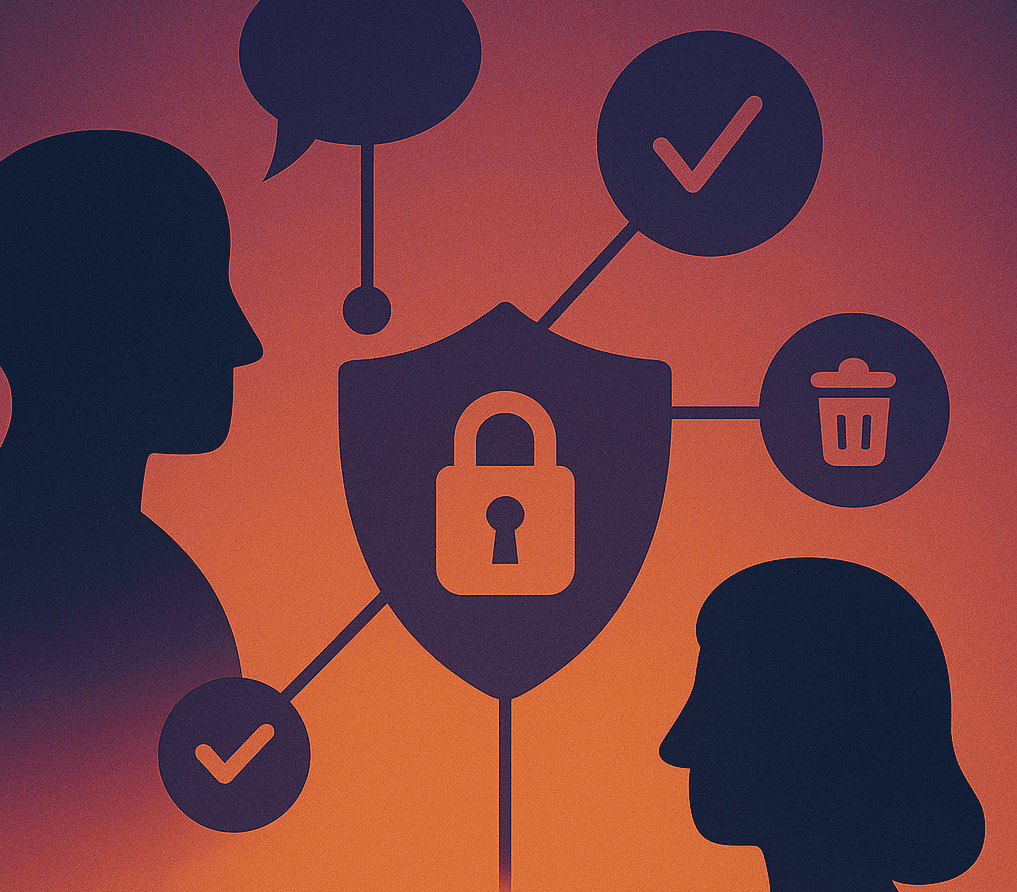
Granular Control: Share what you choose, when you choose, with whom you choose. Default to private; opt-in to sharing.


Differential Privacy: Aggregate insights across communities without revealing individual patterns. Learn what works broadly without compromising anyone's specific information.


Attribution Without Surveillance: Credit creators and adapters without tracking detailed behavior. Focus on impact, not engagement metrics.


Right to Delete: Complete data portability and deletion. Your practices, your data, your choice.


This architecture enables community benefits while protecting individual sovereignty, unlike current platforms that extract behavioral data for commercial purposes.

The productivity paradox has reached a critical point where fragmentation's cost has become unsustainable.


The World Health Organization now recognizes that mental health is not merely the absence of illness but the presence of positive characteristics like life satisfaction, optimism, and sense of purpose—qualities emerging from how people structure daily life, not from task completion efficiency.


Burnout has reached epidemic levels. The surgeon general has declared loneliness a public health crisis. People report feeling simultaneously overscheduled and disconnected, busy and unfulfilled.


These aren't separate problems from the productivity paradox, they're symptoms of the same issue: our digital tools fragment rather than integrate the human experience of living.

The Mental Health Imperative

The Mental Health Imperative

The Mental Health Imperative

The U.S. Surgeon General has declared loneliness a public health crisis, documenting how social isolation harms both mental and physical health at epidemic scale.


Meanwhile, the World Health Organization emphasizes that mental health is not just absence of illness but presence of positive characteristics like life satisfaction, sense of purpose, and community connection.


Social life design directly addresses both imperatives:


Reduces Isolation: Connects people around shared practices rather than just entertainment or information.


Builds Meaning: Creates communities organized around values and mutual support rather than engagement optimization.


Enables Contribution: Lets everyone share what they've learned, transforming consumers into contributors.


Supports Wellbeing: Makes effective practices accessible to broad populations without requiring expensive coaching or clinical services.


This isn't therapy or clinical intervention, it's preventive infrastructure that supports population-level wellbeing through collaborative practice sharing.

The productivity paradox has reached a critical point where fragmentation's cost has become unsustainable.


The World Health Organization now recognizes that mental health is not merely the absence of illness but the presence of positive characteristics like life satisfaction, optimism, and sense of purpose—qualities emerging from how people structure daily life, not from task completion efficiency.


Burnout has reached epidemic levels. The surgeon general has declared loneliness a public health crisis. People report feeling simultaneously overscheduled and disconnected, busy and unfulfilled.


These aren't separate problems from the productivity paradox, they're symptoms of the same issue: our digital tools fragment rather than integrate the human experience of living.

The Choice Before Us

The Choice Before Us

The Choice Before Us

We've reached the end of our journey through life design technology, but really, we've arrived at a beginning.


Over twelve weeks, we've explored:


The Crisis (Articles 1-4): How productivity tools fragment attention, colonize time, reduce meaning to checkboxes, and surveil rather than support.


The Depth (Articles 5-8): Why reified time misrepresents living, how fragmentation rewires cognition, why acceleration creates time scarcity, and why good companies can't fix these problems.


The Vision (Articles 9-12): What life design means, how visual thinking transforms planning, why temporal sovereignty matters, and how collaborative intelligence enables collective flourishing.

The productivity paradox has reached a critical point where fragmentation's cost has become unsustainable.


The World Health Organization now recognizes that mental health is not merely the absence of illness but the presence of positive characteristics like life satisfaction, optimism, and sense of purpose—qualities emerging from how people structure daily life, not from task completion efficiency.


Burnout has reached epidemic levels. The surgeon general has declared loneliness a public health crisis. People report feeling simultaneously overscheduled and disconnected, busy and unfulfilled.


These aren't separate problems from the productivity paradox, they're symptoms of the same issue: our digital tools fragment rather than integrate the human experience of living.

The Path Forward

The Path Forward

The Path Forward

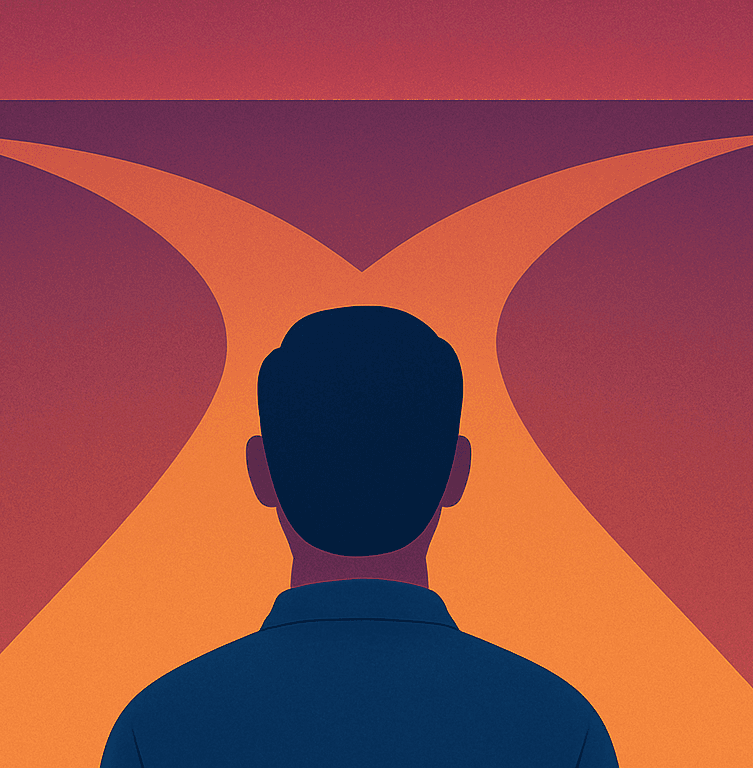
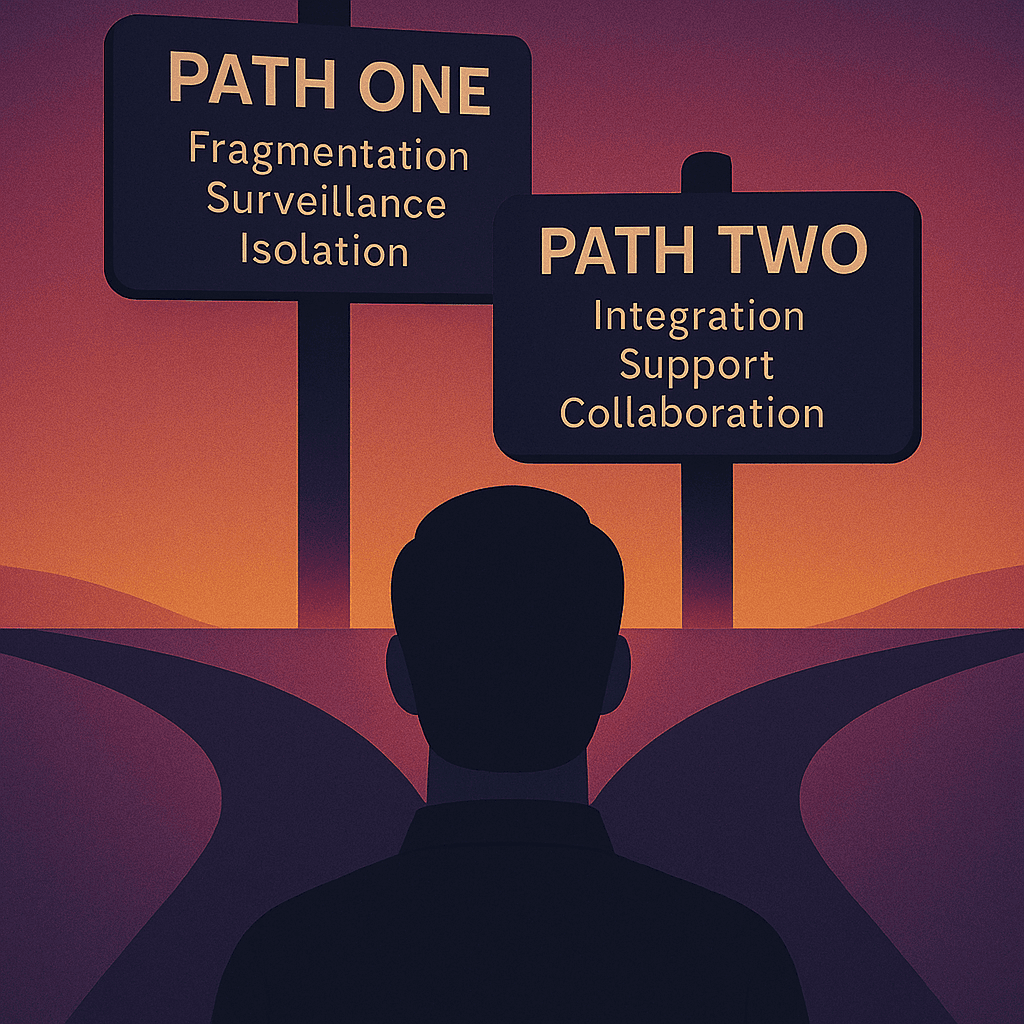
We stand at a choice point.


Path One: Continue with productivity tools that fragment, surveil, and optimize for engagement over wellbeing. Accept cognitive degradation, temporal colonization, and isolated optimization as inevitable costs of digital life.


Path Two: Build life design technology that integrates rather than fragments, supports rather than surveils, and enables collaborative flourishing rather than isolated optimization.


The technology for Path Two now exists. Visual AI removes creation barriers. Neuroscience reveals cognitive principles. Chronobiology clarifies biological rhythms. Network research shows how collective intelligence emerges.


What we need is the will to build differently, and the communities willing to design their lives together rather than optimizing alone.

The productivity paradox has reached a critical point where fragmentation's cost has become unsustainable.


The World Health Organization now recognizes that mental health is not merely the absence of illness but the presence of positive characteristics like life satisfaction, optimism, and sense of purpose—qualities emerging from how people structure daily life, not from task completion efficiency.


Burnout has reached epidemic levels. The surgeon general has declared loneliness a public health crisis. People report feeling simultaneously overscheduled and disconnected, busy and unfulfilled.


These aren't separate problems from the productivity paradox, they're symptoms of the same issue: our digital tools fragment rather than integrate the human experience of living.

The Ultimate Vision

The Ultimate Vision

The Ultimate Vision

Imagine a world where:


Planning feels like creative practice, not mechanical obligation
Time serves human rhythms rather than industrial schedules
Tools enhance agency rather than predict and manipulate behavior
Communities share wisdom that improves through collective adaptation
Everyone has access to practices that support flourishing


This isn't utopian fantasy. It's a practical application of what we know about human cognition, biological rhythms, social learning, and meaningful living.


The only question is whether we'll build it.

The productivity paradox has reached a critical point where fragmentation's cost has become unsustainable.


The World Health Organization now recognizes that mental health is not merely the absence of illness but the presence of positive characteristics like life satisfaction, optimism, and sense of purpose—qualities emerging from how people structure daily life, not from task completion efficiency.


Burnout has reached epidemic levels. The surgeon general has declared loneliness a public health crisis. People report feeling simultaneously overscheduled and disconnected, busy and unfulfilled.


These aren't separate problems from the productivity paradox, they're symptoms of the same issue: our digital tools fragment rather than integrate the human experience of living.

Your Role in This Revolution

Your Role in This Revolution

Your Role in This Revolution

You don't need to wait for new tools to start practicing life design principles:


Design consciously: Treat your days as creative projects, not mechanical execution


Honor rhythms: Align demanding work with your biological peaks


Think visually: Imagine how you want to experience activities, not just what you need to complete


Share practices: When something works, teach others; when others share, adapt and improve


Build community: Connect with people exploring similar questions about meaningful living


Every person who shifts from productivity optimization to life design creates possibilities for others. Every practice shared becomes available for adaptation. Every community conversation generates collective intelligence.


The revolution doesn't require everyone switching simultaneously. It requires enough people demonstrating that different approaches work better, that integration beats fragmentation, collaboration beats isolation, and flourishing beats mere efficiency.

The productivity paradox has reached a critical point where fragmentation's cost has become unsustainable.


The World Health Organization now recognizes that mental health is not merely the absence of illness but the presence of positive characteristics like life satisfaction, optimism, and sense of purpose—qualities emerging from how people structure daily life, not from task completion efficiency.


Burnout has reached epidemic levels. The surgeon general has declared loneliness a public health crisis. People report feeling simultaneously overscheduled and disconnected, busy and unfulfilled.


These aren't separate problems from the productivity paradox, they're symptoms of the same issue: our digital tools fragment rather than integrate the human experience of living.

The Beginning

The Beginning

The Beginning

This series ends, but the real work begins.


We've established why productivity tools fail, why they can't evolve, and what comes next. We've shown that life design isn't just philosophy, it's practical technology built on cognitive science, chronobiology, and social learning.


The pieces are in place. The principles are clear. The technology is possible.


What happens next depends on whether we're willing to build it together.


The future of life design is collaborative.


It starts now.


It starts with us.

The productivity paradox has reached a critical point where fragmentation's cost has become unsustainable.


The World Health Organization now recognizes that mental health is not merely the absence of illness but the presence of positive characteristics like life satisfaction, optimism, and sense of purpose—qualities emerging from how people structure daily life, not from task completion efficiency.


Burnout has reached epidemic levels. The surgeon general has declared loneliness a public health crisis. People report feeling simultaneously overscheduled and disconnected, busy and unfulfilled.


These aren't separate problems from the productivity paradox, they're symptoms of the same issue: our digital tools fragment rather than integrate the human experience of living.

This concludes our 12-part series exploring why we need a new category of technology, Life Design, to replace productivity tools that fragment rather than integrate our lives.

This concludes our 12-part series exploring why we need a new category of technology, Life Design, to replace productivity tools that fragment rather than integrate our lives.

Next: "The conversation continues. The building begins."

Next: "The conversation continues. The building begins."

Reserve Your Beta Access

& Join The Conversation Now

Signing up puts you first in line for our private beta app when we launch. Until then, you'll receive weekly insights as we prepare: sharp critiques of productivity culture, philosophical explorations of time and human experience, and glimpses into what we're building. Be part of the conversation from the beginning.

Made with ❤️ for Life Design.

Reserve Your Beta Access

& Join The Conversation Now

Signing up puts you first in line for our private beta app when we launch. Until then, you'll receive weekly insights as we prepare: sharp critiques of productivity culture, philosophical explorations of time and human experience, and glimpses into what we're building. Be part of the conversation from the beginning.

Made with ❤️ for Life Design.

Reserve Your Beta Access

& Join The Conversation Now

Signing up puts you first in line for our private beta app when we launch. Until then, you'll receive weekly insights as we prepare: sharp critiques of productivity culture, philosophical explorations of time and human experience, and glimpses into what we're building. Be part of the conversation from the beginning.

Reserve Your Beta Access

& Join The Conversation Now

Signing up puts you first in line for our private beta app when we launch. Until then, you'll receive weekly insights as we prepare: sharp critiques of productivity culture, philosophical explorations of time and human experience, and glimpses into what we're building. Be part of the conversation from the beginning.

Made with ❤️ for Life Design.