
Life Design

The Category Beyond Productivity

The Category Beyond Productivity


Robert Kenfield | 7 mins read | December 10, 2025
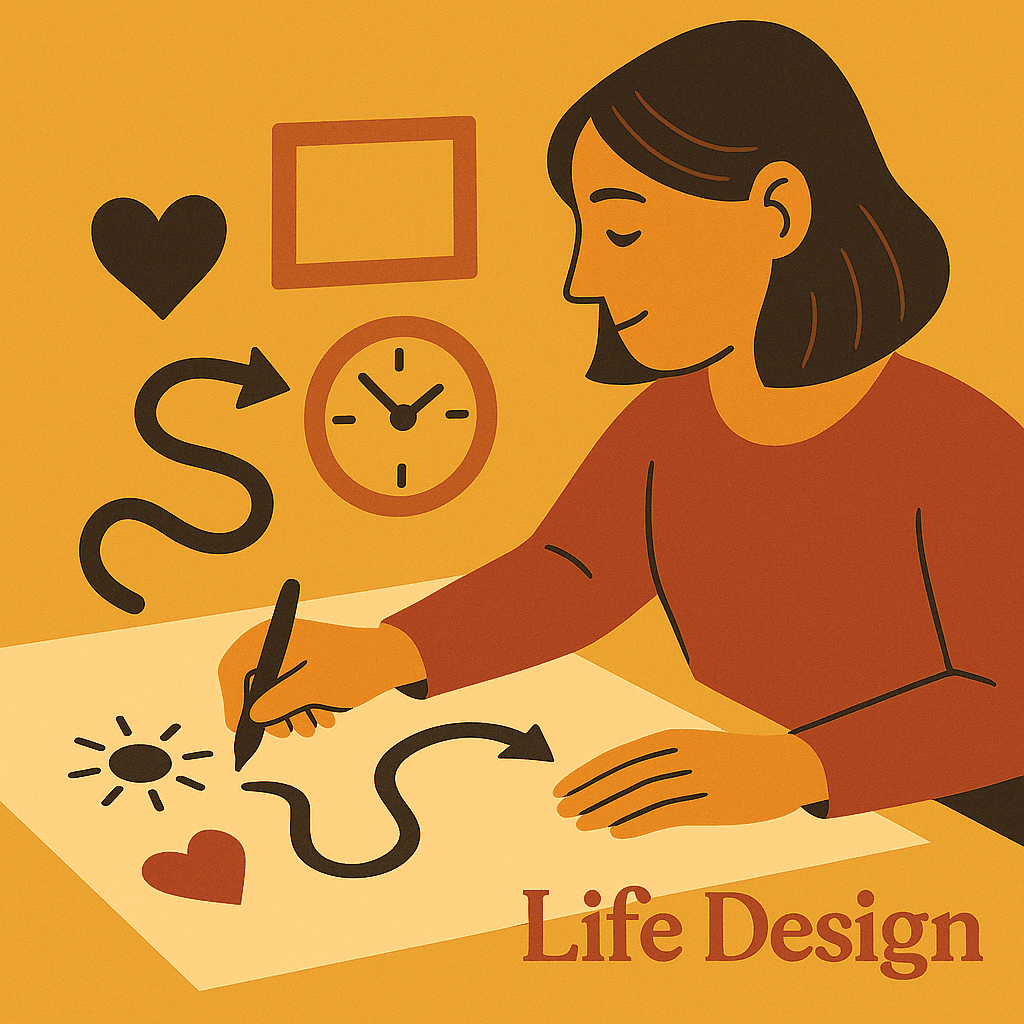
What if daily planning became creative practice instead of mechanical optimization?

What if daily planning became creative practice instead of mechanical optimization?

What if daily planning became creative practice instead of mechanical optimization?

For eight weeks, we've dissected what's broken: fragmentation, surveillance, cognitive overload, acceleration, and structural barriers preventing solutions.

Now comes the pivot.


What if the entire productivity paradigm, with its emphasis on efficiency, optimization, and mechanical execution, is solving the wrong problem?

What if the real challenge isn't managing tasks more effectively but designing lives more meaningfully?


What if we need an entirely different category of technology, one built around human flourishing rather than industrial output?


This isn't productivity with better branding. It's a fundamentally different approach to the relationship between tools, time, and human agency.

Welcome to Life Design.

For eight weeks, we've dissected what's broken: fragmentation, surveillance, cognitive overload, acceleration, and structural barriers preventing solutions.

Now comes the pivot.


What if the entire productivity paradigm, with its emphasis on efficiency, optimization, and mechanical execution, is solving the wrong problem?

What if the real challenge isn't managing tasks more effectively but designing lives more meaningfully?


What if we need an entirely different category of technology, one built around human flourishing rather than industrial output?


This isn't productivity with better branding. It's a fundamentally different approach to the relationship between tools, time, and human agency.

Welcome to Life Design.

Everyone Is Already a Life Designer

Everyone Is Already a Life Designer

Everyone Is Already a Life Designer

Here's the insight that changes everything: you're already designing your life, whether you realize it or not.


Every morning you wake up and, consciously or unconsciously, make choices about how to spend your time, attention, and energy. You decide what matters, what to prioritize, what to defer, what to abandon.


You design patterns: morning routines, work rhythms, relationship practices, health habits. These patterns aren't random, they reflect (or betray) your values, your aspirations, your understanding of what makes life meaningful.


The question isn't whether you're a life designer. You are one, by necessity. The question is whether you're designing consciously or unconsciously, with support or despite obstacles, in alignment with your values or contradiction to them.


Productivity tools assume you need help executing pre-determined tasks. Life Design recognizes you need help with something more fundamental: making conscious choices about how to shape experience itself.
From Stanford to Daily Life

From Stanford to Daily Life

From Stanford to Daily Life

The concept of "life design" emerged from the Stanford Life Design Lab, where designers Bill Burnett and Dave Evans applied design thinking principles to the challenge of creating meaningful lives.


Their research, documented in Designing Your Life, revealed something profound: the same principles that work for designing products work for designing lives, but only when you stop treating life as a problem to solve and start treating it as a possibility to explore.


This shift is crucial. Problems have solutions. You optimize, execute, complete. But lives aren't problems, they're ongoing creative practices. You don't "solve" your life. You design it, iterate it, evolve it.
The Five Principles

The Five Principles

The Five Principles

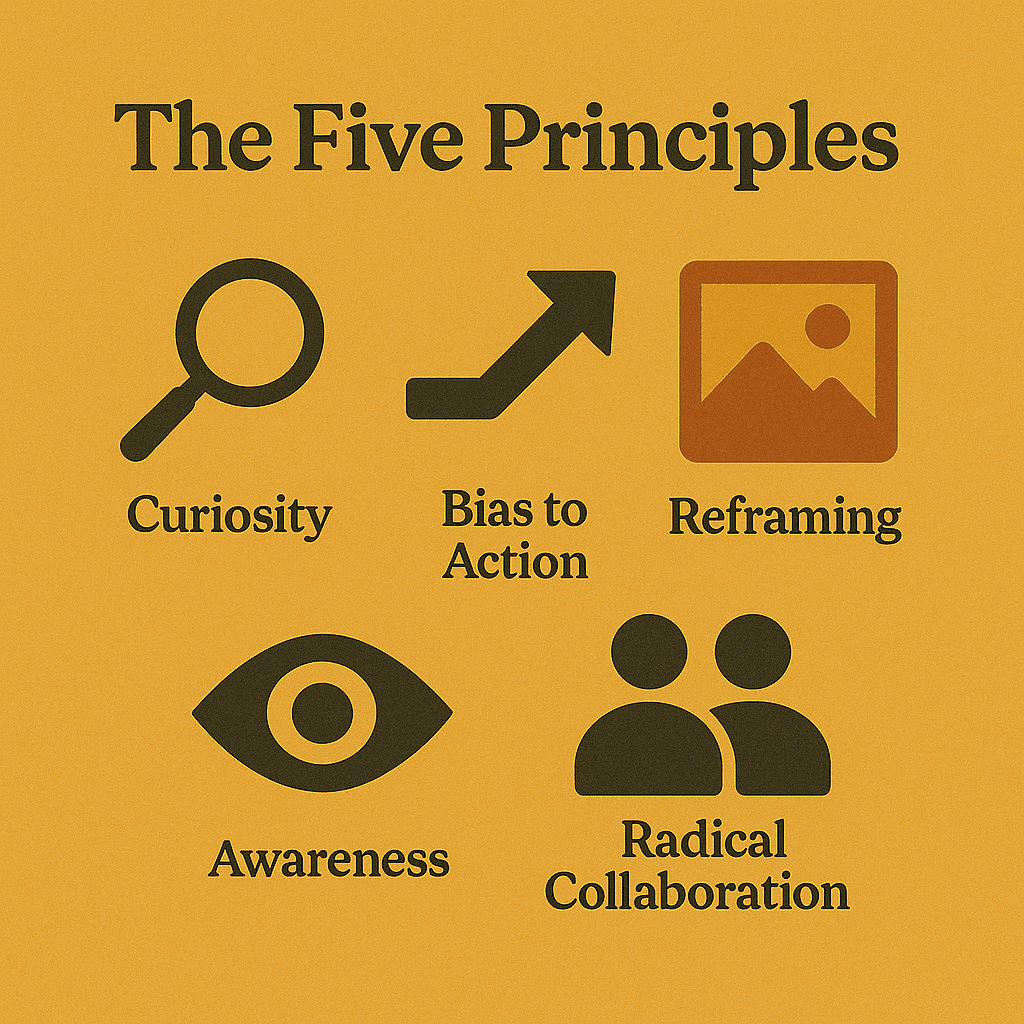
The Stanford team identified five core principles that distinguish life design from traditional productivity approaches:


1. Curiosity


Life design begins with curiosity rather than fixed assumptions about what should work. Instead of implementing other people's productivity systems, you explore what actually works for you in your specific context.

This means experimenting: trying different approaches, noticing what energizes versus drains you, discovering rather than prescribing. Productivity says "here's the system." Life Design asks "what if we tried this?"


2. Bias to Action


Rather than endless planning and analysis, life design emphasizes rapid prototyping. Test small experiments. Try things. Learn from real experience rather than hypothetical optimization.

This inverts the productivity paradigm. Productivity says "plan thoroughly, then execute." Life Design says "try quickly, learn continuously, adjust frequently."

A life design approach to morning routines doesn't start with researching the perfect routine, it starts with trying something tomorrow morning and noticing how it feels.


3. Reframing

When stuck, life design practitioners reframe the question rather than pushing harder with the same approach. If "how do I fit everything in?" feels impossible, reframe to "what actually matters enough to protect?"

This acknowledges that sometimes the problem definition itself is wrong. Productivity accepts the problem as given and optimizes execution. Life Design questions whether you're solving the right problem.


4. Awareness


Life design requires paying attention to what actually happens, not just what you plan or intend. How do different activities affect your energy? Which relationships nourish versus drain? What patterns serve versus undermine flourishing?

This means tracking quality of experience, not just completion metrics. Productivity measures what you did. Life Design asks how it felt and whether it mattered.


5. Radical Collaboration


Perhaps most importantly, life design recognizes that meaningful lives are created in relationship with others, not in isolation. You can't design your life alone, you're always designing within communities, relationships, and shared practices.

This fundamentally challenges productivity's individualistic optimization. Productivity assumes isolated actors maximizing personal efficiency. Life Design recognizes that meaning emerges through connection and collaboration.
Three Fundamental Shifts

Three Fundamental Shifts

Three Fundamental Shifts

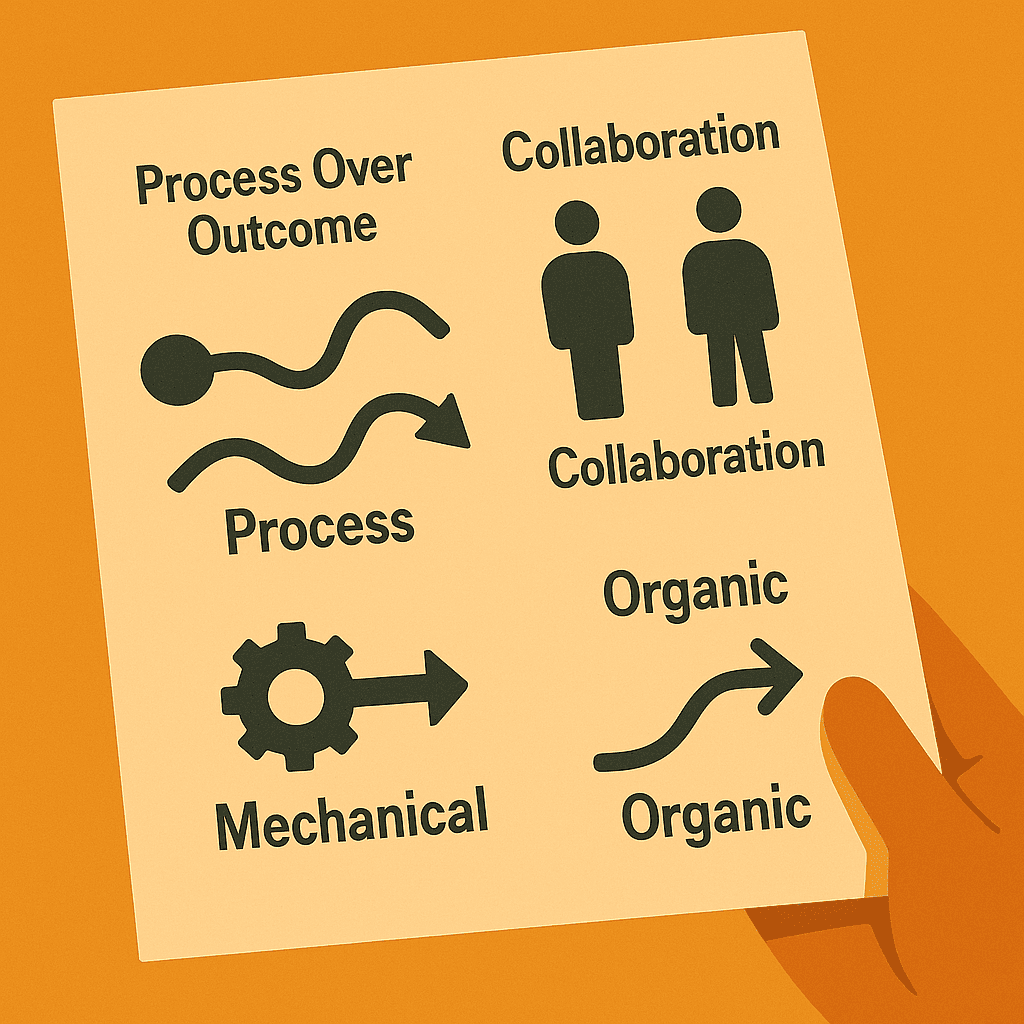
Applying these principles to daily life requires three fundamental shifts from productivity thinking:


Shift 1: Process Over Outcome


Productivity focuses on completing tasks and achieving goals. Life Design emphasizes the quality of daily experience and the coherence of life patterns.


This doesn't mean abandoning goals or achievements. It means recognizing that how you spend your days is how you spend your life. The process isn't just means to ends, it's the substance of living itself.


A productivity mindset asks: "How do I complete my tasks efficiently?" A life design mindset asks: "How do I want to experience my days? What patterns support the life I want to inhabit?"


Shift 2: Collaboration Over Isolation


Productivity tools assume isolated individuals optimizing personal performance. Life Design recognizes that meaningful patterns emerge through relationships and community practice.


Your morning routine isn't just personal, it affects your family. Your work patterns impact colleagues. Your health practices influence friends who might join you.


Life Design tools must support social architecture: sharing practices, learning from others, adapting successful patterns, collaborating on improvement.


Research from Stanford shows that life satisfaction comes not from individual optimization but from coherent patterns of living developed in community with others who share values and support growth.


Shift 3: Organic Over Mechanical


Productivity treats time as a resource to allocate efficiently among competing demands. Life Design treats time as a medium for creative expression and meaningful experience.


This echoes Bergson's distinction between clock time and lived duration, but applies it practically: some activities need mechanical scheduling (coordination with others), while others need organic flow (creative work, relationships, reflection).


Life Design tools must handle both, precision when needed, flexibility when natural, rather than forcing everything into industrial time blocks.

Applying these principles to daily life requires three fundamental shifts from productivity thinking:


Shift 1: Process Over Outcome


Productivity focuses on completing tasks and achieving goals. Life Design emphasizes the quality of daily experience and the coherence of life patterns.


This doesn't mean abandoning goals or achievements. It means recognizing that how you spend your days is how you spend your life. The process isn't just means to ends, it's the substance of living itself.


A productivity mindset asks: "How do I complete my tasks efficiently?" A life design mindset asks: "How do I want to experience my days? What patterns support the life I want to inhabit?"


Shift 2: Collaboration Over Isolation


Productivity tools assume isolated individuals optimizing personal performance. Life Design recognizes that meaningful patterns emerge through relationships and community practice.


Your morning routine isn't just personal, it affects your family. Your work patterns impact colleagues. Your health practices influence friends who might join you.


Life Design tools must support social architecture: sharing practices, learning from others, adapting successful patterns, collaborating on improvement.


Research from Stanford shows that life satisfaction comes not from individual optimization but from coherent patterns of living developed in community with others who share values and support growth.


Shift 3: Organic Over Mechanical


Productivity treats time as a resource to allocate efficiently among competing demands. Life Design treats time as a medium for creative expression and meaningful experience.


This echoes Bergson's distinction between clock time and lived duration, but applies it practically: some activities need mechanical scheduling (coordination with others), while others need organic flow (creative work, relationships, reflection).


Life Design tools must handle both, precision when needed, flexibility when natural, rather than forcing everything into industrial time blocks.

What Self-Determination Theory Teaches

What Self-Determination Theory Teaches

What Self-Determination Theory Teaches

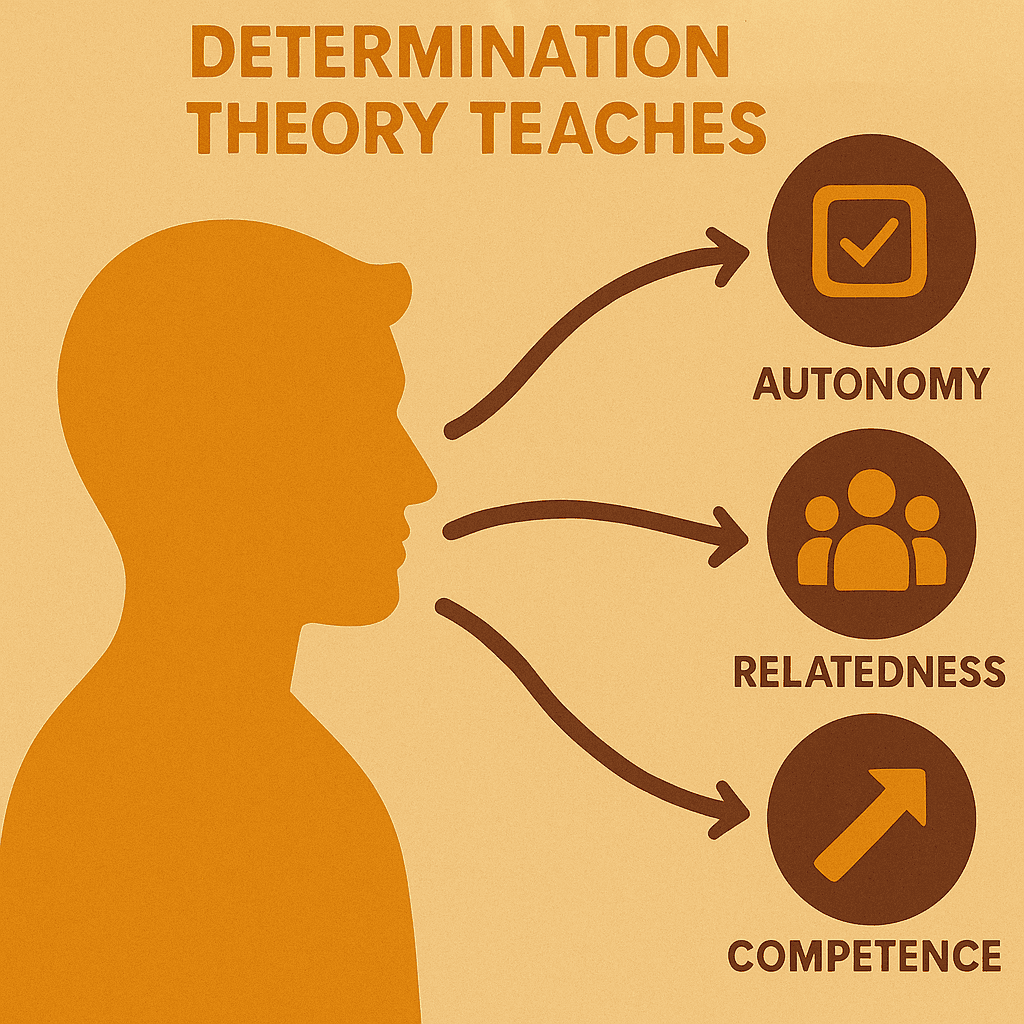
The psychological foundation for life design comes from decades of motivation research, particularly Self-Determination Theory developed by psychologists Edward Deci and Richard Ryan.


Their research identifies three fundamental psychological needs that drive intrinsic motivation and wellbeing:


Autonomy: Acting from choice and values, not external pressure


Competence: Experiencing growth, progress, and mastery


Relatedness: Connecting actions to others and larger purposes


When these needs are met, people experience what researchers call "eudaimonic wellbeing", flourishing that comes from meaning, growth, and authentic living rather than just pleasure or comfort.


Productivity tools, as we've explored, systematically undermine all three needs.


Life Design tools must actively support them:

  • Autonomy through conscious choice-making rather than algorithmic prediction

  • Competence through meaningful progress rather than binary completion

  • Relatedness through social practice rather than isolated optimization
The Coherence Challenge

The Coherence Challenge

The Coherence Challenge

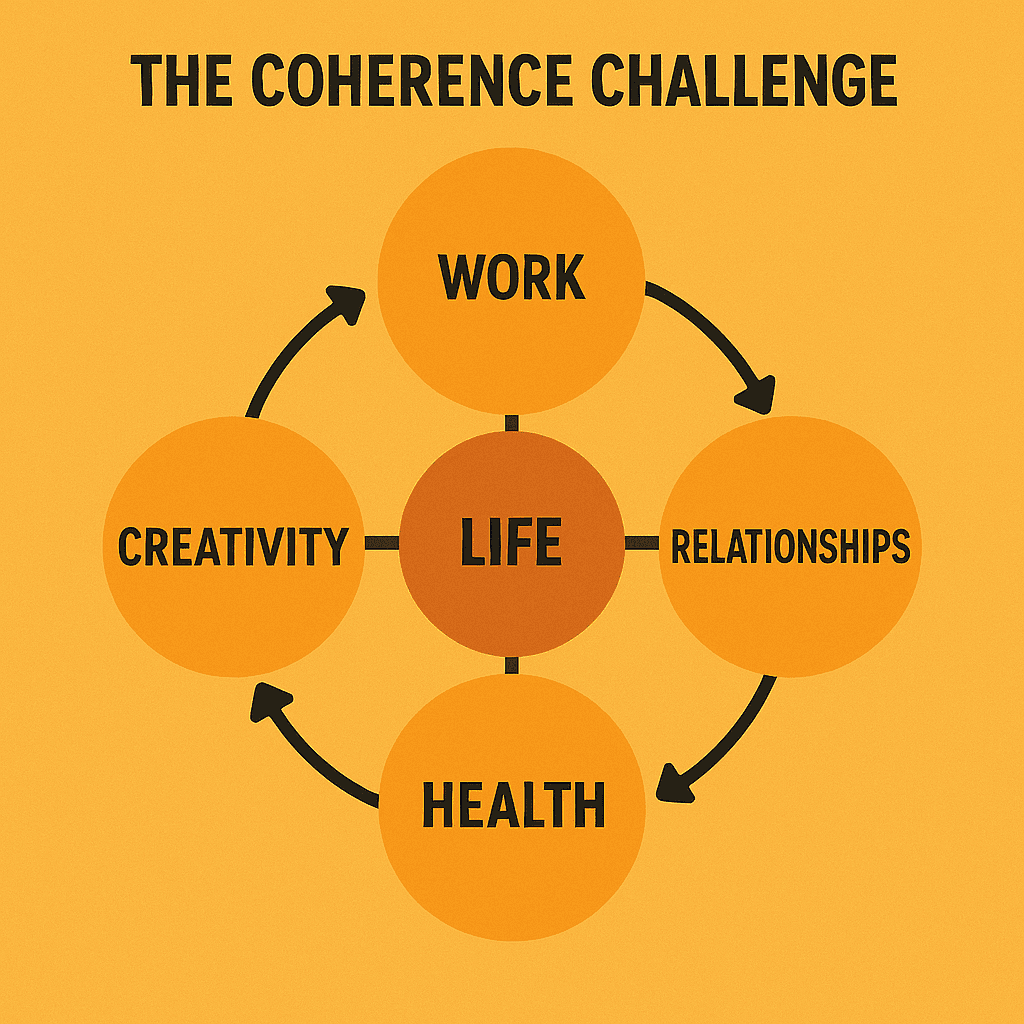
One of Stanford's key findings: life satisfaction correlates strongly with coherence, the sense that different aspects of your life fit together meaningfully rather than competing for attention.


Productivity tools fragment your life: work calendar, personal task list, separate apps for health, relationships, creativity. Each domain competes for resources as if independent.


Life Design recognizes that these domains are interconnected. Your health affects your work capacity. Your relationship quality influences your creative energy. Your professional growth connects to your sense of purpose.


Coherence comes from seeing and honoring these connections, from integration rather than fragmentation.

The productivity paradox has reached a critical point where fragmentation's cost has become unsustainable.


The World Health Organization now recognizes that mental health is not merely the absence of illness but the presence of positive characteristics like life satisfaction, optimism, and sense of purpose—qualities emerging from how people structure daily life, not from task completion efficiency.


Burnout has reached epidemic levels. The surgeon general has declared loneliness a public health crisis. People report feeling simultaneously overscheduled and disconnected, busy and unfulfilled.


These aren't separate problems from the productivity paradox, they're symptoms of the same issue: our digital tools fragment rather than integrate the human experience of living.

Practical Application: The Daily Design Question

Practical Application: The Daily Design Question

Practical Application: The Daily Design Question

Here's where life design becomes concrete and daily.


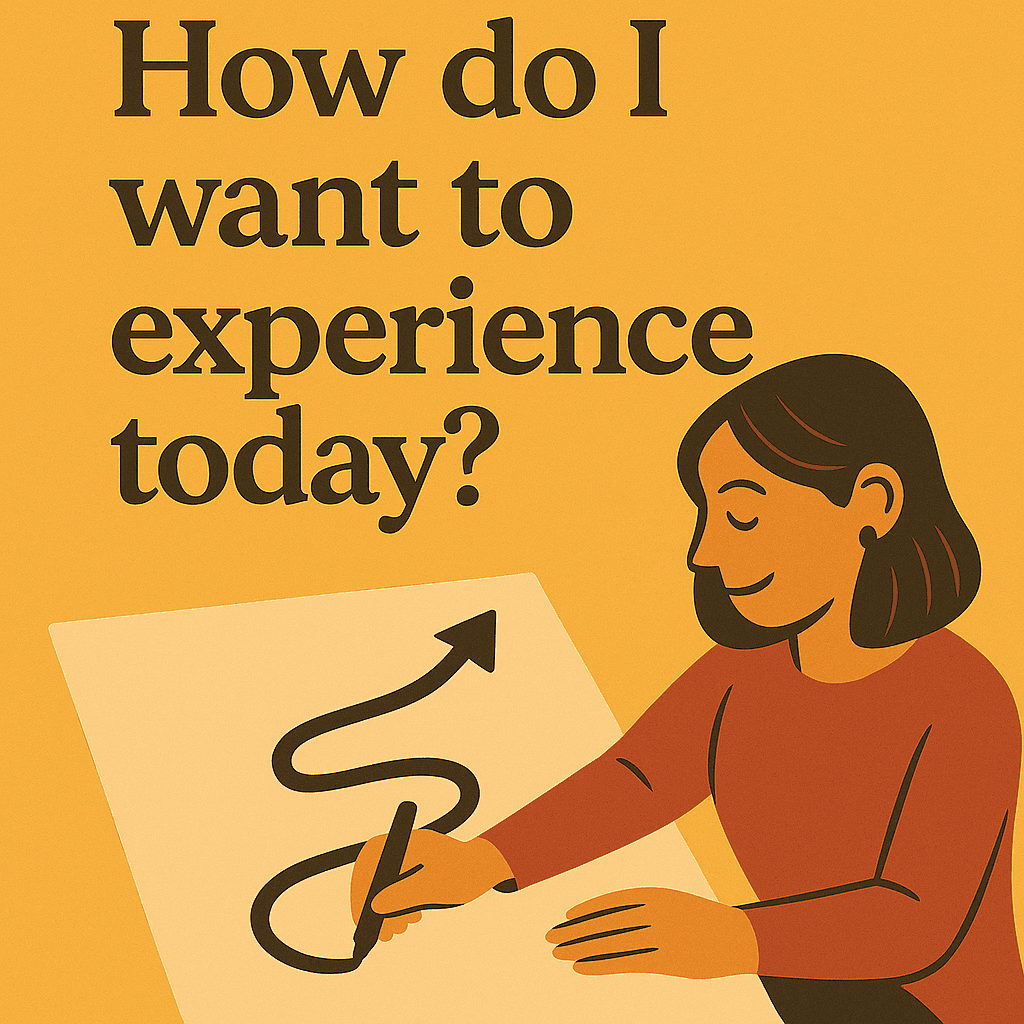
Instead of starting each day with "what do I need to do?" (productivity question), start with "how do I want to experience today?" (life design question).


This shift invites different thinking:

  • What energy do I want to bring?

  • What matters enough to protect time for?

  • Who do I want to connect with meaningfully?

  • What would make today feel worthwhile?

  • What rhythm serves my wellbeing?


These aren't vague aspirations, they're design questions that lead to specific choices about how to structure your day.


A productivity answer: "Complete 8 tasks, attend 4 meetings, respond to 50 emails."


A life design answer: "Start with centered presence, protect morning creative time, connect meaningfully with my team, move my body, end with reflection."


Same day, potentially same activities, but fundamentally different relationship to how you're spending your life.

The productivity paradox has reached a critical point where fragmentation's cost has become unsustainable.


The World Health Organization now recognizes that mental health is not merely the absence of illness but the presence of positive characteristics like life satisfaction, optimism, and sense of purpose—qualities emerging from how people structure daily life, not from task completion efficiency.


Burnout has reached epidemic levels. The surgeon general has declared loneliness a public health crisis. People report feeling simultaneously overscheduled and disconnected, busy and unfulfilled.


These aren't separate problems from the productivity paradox, they're symptoms of the same issue: our digital tools fragment rather than integrate the human experience of living.

Why This Matters Now

Why This Matters Now

Why This Matters Now

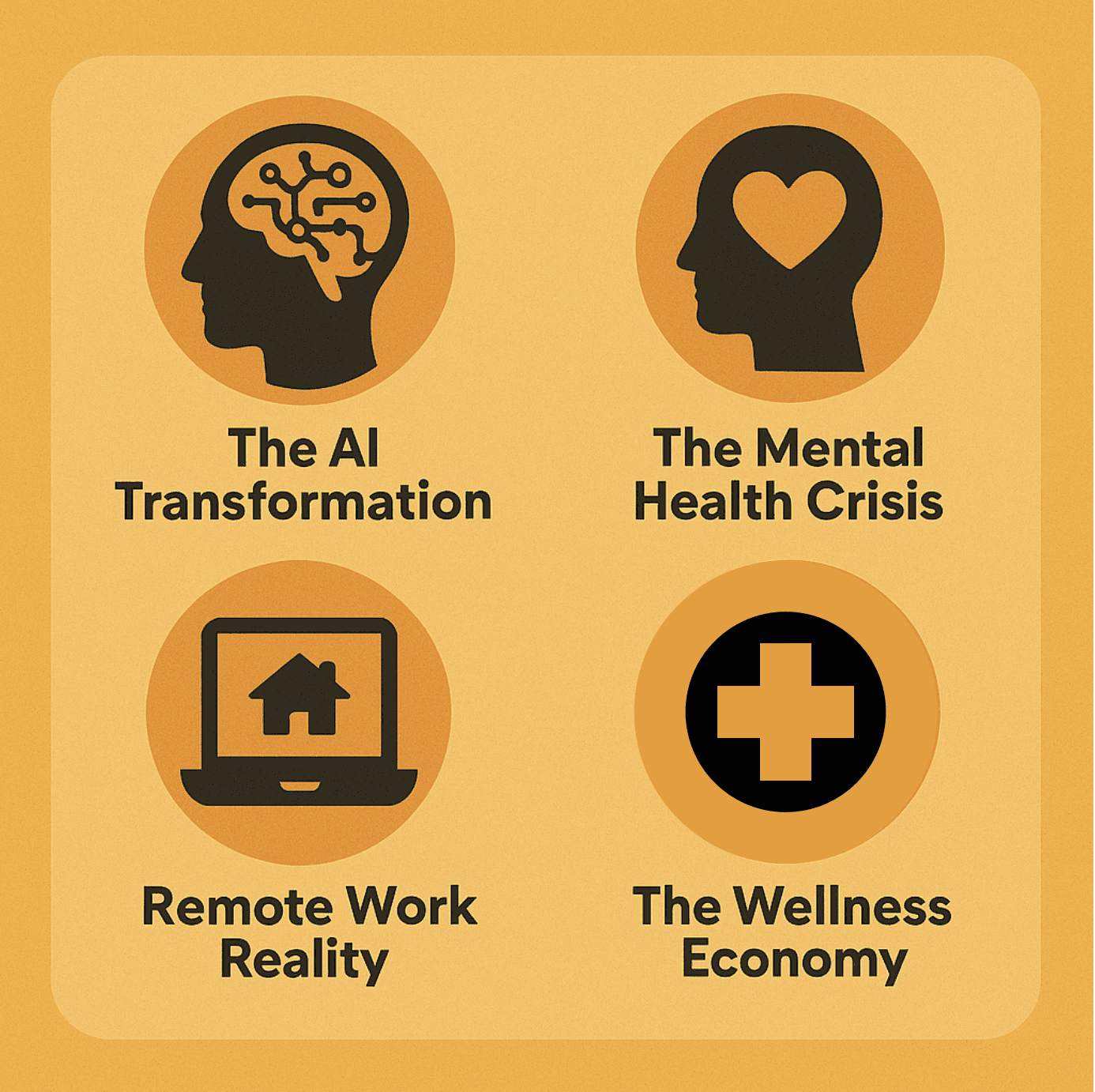
Several convergent forces make life design particularly urgent and possible right now:


The AI Transformation: As artificial intelligence handles more routine tasks, the work that remains is distinctly human, creative, relational, meaning-making. These require the integrated, reflective capacities that life design supports but productivity fragments.


The Mental Health Crisis: The WHO recognizes that mental health is not just absence of illness but presence of positive characteristics like life satisfaction and purpose, qualities emerging from how we design daily life, not from how efficiently we complete tasks.


Remote Work Reality: The boundaries between professional and personal life have dissolved. We need tools that help integrate these domains rather than pretending they're separate.


The Wellness Economy: The $6.3 trillion wellness economy reflects fundamental cultural shift toward tools supporting whole-person thriving, not just work optimization.


These aren't separate trends, they're convergent recognition that the productivity paradigm has reached its limits and something different is needed.

The productivity paradox has reached a critical point where fragmentation's cost has become unsustainable.


The World Health Organization now recognizes that mental health is not merely the absence of illness but the presence of positive characteristics like life satisfaction, optimism, and sense of purpose—qualities emerging from how people structure daily life, not from task completion efficiency.


Burnout has reached epidemic levels. The surgeon general has declared loneliness a public health crisis. People report feeling simultaneously overscheduled and disconnected, busy and unfulfilled.


These aren't separate problems from the productivity paradox, they're symptoms of the same issue: our digital tools fragment rather than integrate the human experience of living.

The Technology Gap

The Technology Gap

The Technology Gap

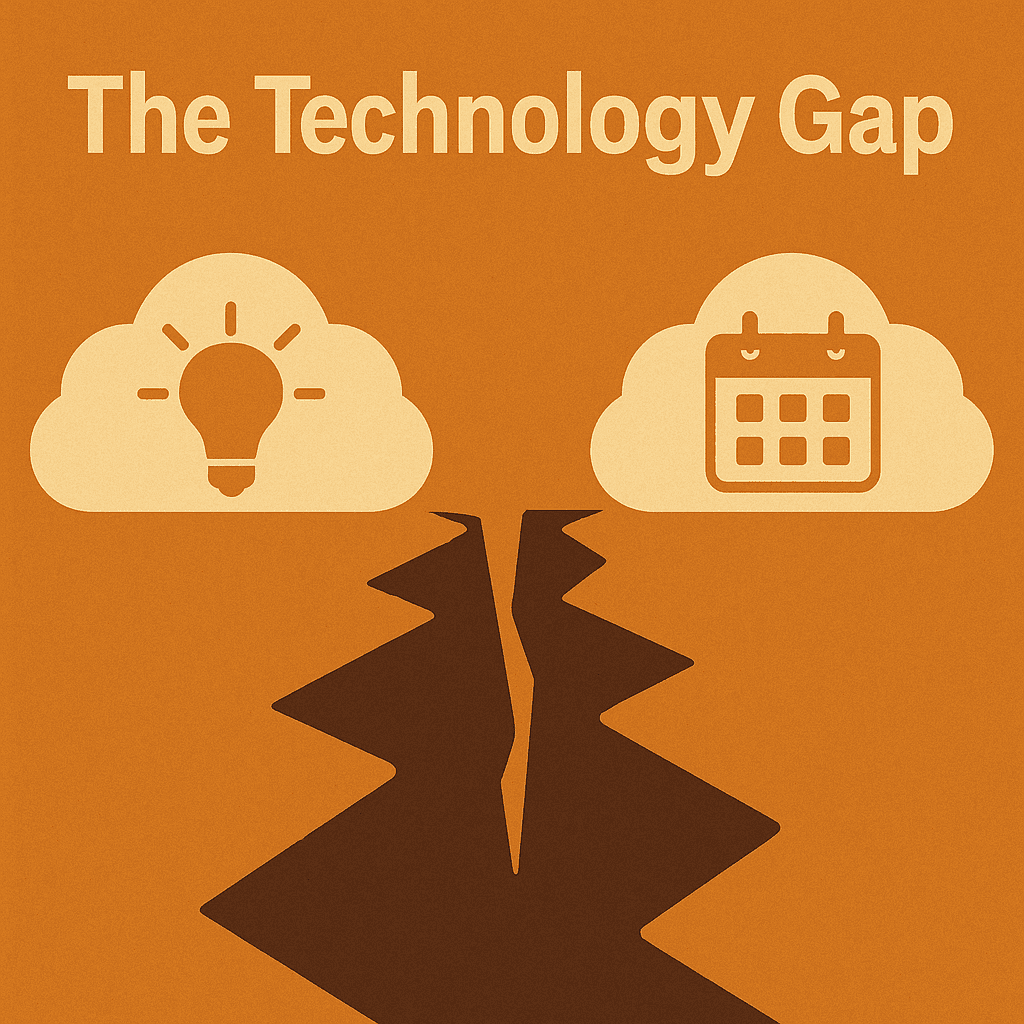
Here's the opportunity: life design thinking exists, but life design technology doesn't.


You can take Stanford's course. Read the books. Hire a life design coach. Join communities exploring these principles.


But when you sit down to plan your actual day? You're back to productivity tools, calendar grids, task lists, note apps, all built on assumptions that contradict life design principles.


There's a gap between the philosophy (which is sound and research-backed) and the technology (which is stuck in productivity paradigm).


Closing that gap requires tools built from the ground up around life design principles:

  • Visual thinking (not text lists)

  • Temporal flexibility (not rigid grids)

  • Social architecture (not isolated optimization)

  • Meaning-making (not just task completion)

  • Integration (not fragmentation)

  • Agency (not algorithmic control)

The productivity paradox has reached a critical point where fragmentation's cost has become unsustainable.


The World Health Organization now recognizes that mental health is not merely the absence of illness but the presence of positive characteristics like life satisfaction, optimism, and sense of purpose—qualities emerging from how people structure daily life, not from task completion efficiency.


Burnout has reached epidemic levels. The surgeon general has declared loneliness a public health crisis. People report feeling simultaneously overscheduled and disconnected, busy and unfulfilled.


These aren't separate problems from the productivity paradox, they're symptoms of the same issue: our digital tools fragment rather than integrate the human experience of living.

What Success Looks Like

What Success Looks Like

What Success Looks Like

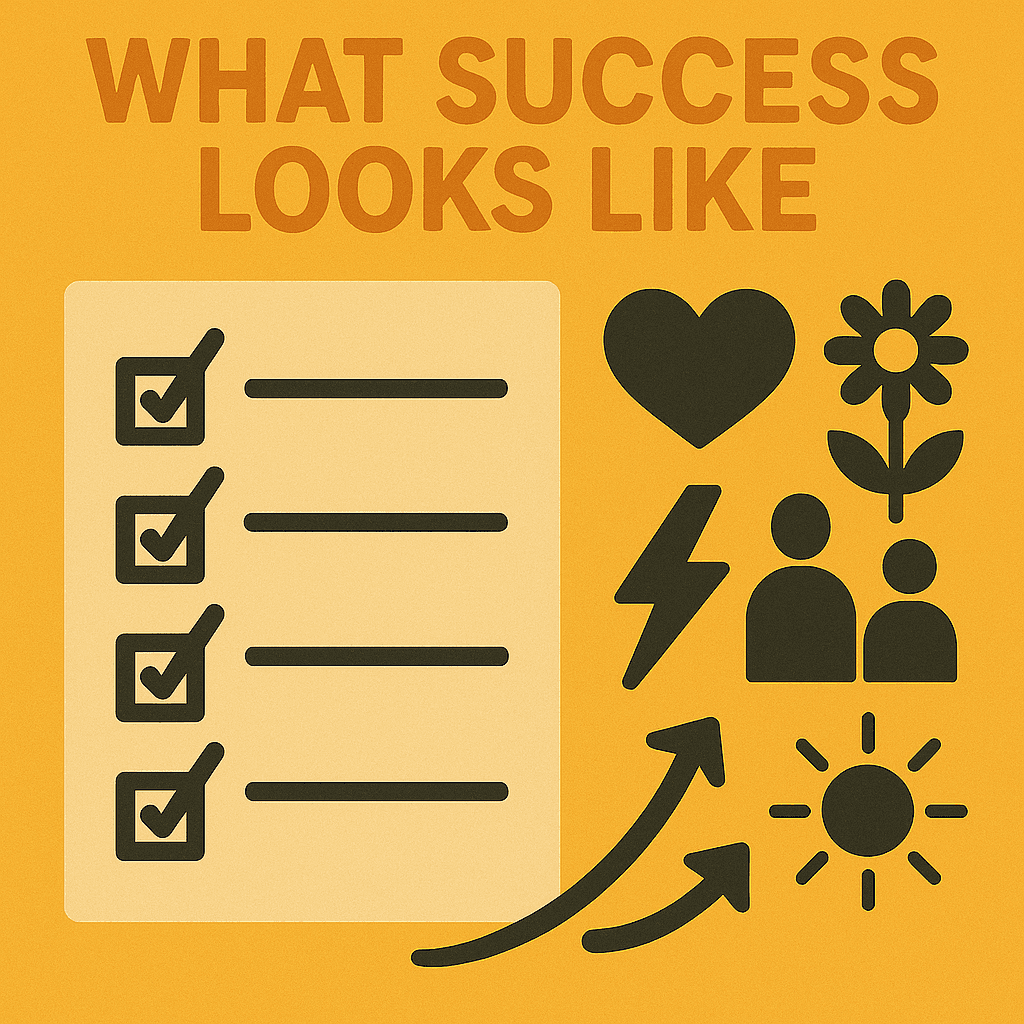
In the productivity paradigm, success means: tasks completed, calendar filled, inbox zero, maximum efficiency.


In the life design paradigm, success means: days feel coherent, activities align with values, energy is sustainable, relationships deepen, growth is evident, meaning is present.


These are harder to measure but infinitely more important.


Life design acknowledges what productivity ignores: you can complete all your tasks and still feel like you're failing at life if those tasks don't connect to what matters most.

The productivity paradox has reached a critical point where fragmentation's cost has become unsustainable.


The World Health Organization now recognizes that mental health is not merely the absence of illness but the presence of positive characteristics like life satisfaction, optimism, and sense of purpose—qualities emerging from how people structure daily life, not from task completion efficiency.


Burnout has reached epidemic levels. The surgeon general has declared loneliness a public health crisis. People report feeling simultaneously overscheduled and disconnected, busy and unfulfilled.


These aren't separate problems from the productivity paradox, they're symptoms of the same issue: our digital tools fragment rather than integrate the human experience of living.

The Path Forward

The Path Forward

The Path Forward

We've established that current productivity tools cannot evolve to support life design, the structural barriers are insurmountable.


So what comes next?


The remaining articles in this series explore specific innovations that make life design technology possible:


  • How visual representation changes planning from mechanical to creative

  • How temporal flexibility honors human rhythms over industrial schedules

  • How social architecture enables collaborative wisdom at scale


These aren't incremental improvements to existing tools. They're foundational elements of an entirely new category, one where technology genuinely supports human flourishing rather than optimizing mechanical execution.


Life design isn't just better productivity. It's what comes after productivity, when we finally build tools that serve humans as we actually are: creative, relational, meaning-seeking beings designing our way through experience.


The future of planning isn't about managing time better. It's about designing life intentionally.

The productivity paradox has reached a critical point where fragmentation's cost has become unsustainable.


The World Health Organization now recognizes that mental health is not merely the absence of illness but the presence of positive characteristics like life satisfaction, optimism, and sense of purpose—qualities emerging from how people structure daily life, not from task completion efficiency.


Burnout has reached epidemic levels. The surgeon general has declared loneliness a public health crisis. People report feeling simultaneously overscheduled and disconnected, busy and unfulfilled.


These aren't separate problems from the productivity paradox, they're symptoms of the same issue: our digital tools fragment rather than integrate the human experience of living.

This is Article 9 in a 12-part series exploring why we need a new category of technology, Life Design, to replace productivity tools that fragment rather than integrate our lives.

This is Article 9 in a 12-part series exploring why we need a new category of technology, Life Design, to replace productivity tools that fragment rather than integrate our lives.

Reserve Your Beta Access

& Join The Conversation Now

Signing up puts you first in line for our private beta app when we launch. Until then, you'll receive weekly insights as we prepare: sharp critiques of productivity culture, philosophical explorations of time and human experience, and glimpses into what we're building. Be part of the conversation from the beginning.

Made with ❤️ for Life Design.

Reserve Your Beta Access

& Join The Conversation Now

Signing up puts you first in line for our private beta app when we launch. Until then, you'll receive weekly insights as we prepare: sharp critiques of productivity culture, philosophical explorations of time and human experience, and glimpses into what we're building. Be part of the conversation from the beginning.

Made with ❤️ for Life Design.

Reserve Your Beta Access

& Join The Conversation Now

Signing up puts you first in line for our private beta app when we launch. Until then, you'll receive weekly insights as we prepare: sharp critiques of productivity culture, philosophical explorations of time and human experience, and glimpses into what we're building. Be part of the conversation from the beginning.

Reserve Your Beta Access

& Join The Conversation Now

Signing up puts you first in line for our private beta app when we launch. Until then, you'll receive weekly insights as we prepare: sharp critiques of productivity culture, philosophical explorations of time and human experience, and glimpses into what we're building. Be part of the conversation from the beginning.

Made with ❤️ for Life Design.